
Rhythm Games


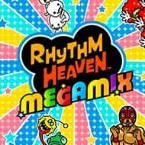






Rhythm Games turn music into a challenge: notes, obstacles or enemies arrive on the beat, and your timing decides whether you keep the combo or lose it. This shelf covers everything from drum simulators and one-button puzzles to runners where every jump matches the soundtrack.
Timing Is Everything
The core of Rhythm Games is simple. A cue appears, a beat lands, and you press at the right moment. Hitting close to the beat earns better ratings, while early or late inputs break your streak.
What makes the genre deep is how many ways designers find to present that cue. Some scroll notes along a lane, some hide the timing inside the shape of a path, and others blend it into a cartoon scene full of distractions.
Most players discover that listening matters more than watching. Once you trust the music, even busy screens become manageable.
Styles of Rhythm Play
- Lane-based charts where notes fall or scroll toward a hit line.
- Drum titles with separate hits for the center and the rim.
- One-button puzzles that hide complex rhythms behind a single key.
- Microgame collections with a new rule every minute.
- Music makers where you build loops instead of following them.
Taiko Web is a clear example of the drum style, with red and blue notes for different hits. A Dance of Fire and Ice shows how far a single button can go.
For a softer approach, Incredibox lets you build music by dragging sounds onto characters, with no way to fail.
Runners That Follow the Beat
Some of the most popular Rhythm Games are also runners. Obstacles appear in time with the music, so jumping and dodging become part of the song.
Muse Dash is the best-known example, turning each note into an enemy for its heroines to hit. Geometry Dash Meltdown takes the idea into platforming, where spikes and pads line up with the soundtrack.
Players who come from runner titles often find this hybrid the easiest entry point. The reflexes they already have translate directly into rhythm skills.
These hybrids also teach a useful lesson about patterns. Once you notice that obstacles repeat in musical phrases, sections that looked random suddenly become predictable and far easier to clear.
Calm or Intense: Pick Your Pace
Rhythm Games can be relaxing or extremely demanding. Melatonin wraps its levels in a dreamy, pastel mood, while later charts in other titles test even veteran players.
Difficulty settings help here. Most Rhythm Games offer several levels per song, so you can enjoy the music first and push for harder charts later.
Even casual players get something from these games. A short session improves timing and feels satisfying when a tricky section finally clicks.
Accessibility options are worth exploring as well. Many Rhythm Games let you slow note speed, change colors or remap keys, and adjusting these settings to suit your eyes and hands can make a bigger difference than any amount of practice.
Practice Habits That Pay Off
Calibrate your audio and input offset first. A small delay between sound and screen can make perfect timing feel wrong, and fixing it removes a lot of frustration. Wireless headphones and some TV screens add extra delay, so recheck the setting whenever your setup changes.
Use practice modes and checkpoints. Looping one hard section is far more effective than replaying an entire song over and over.
Alternate hands where the input allows it. Fast streams that feel impossible with one finger often become comfortable with two, which is the biggest jump many players make.
Getting Started on the Right Foot
New players often jump straight to hard charts because the music sounds exciting. Starting a level or two lower lets you learn the song first, and that familiarity makes the harder version far easier later.
Headphones help in most Rhythm Games. Clear audio makes soft cues easier to hear, and some games hide important hints in subtle sounds rather than visuals.
Short daily sessions also work better than long marathons. Timing is a skill that improves with regular practice, and tired hands make more mistakes than fresh ones in any game built on precision.
Why Music Keeps Players Coming Back
Good soundtracks give Rhythm Games their staying power. People replay songs they love, and every replay is a chance to beat a past score.
The genre also rewards visible improvement. Ratings, combos and accuracy percentages show exactly how much better you have become.
Those who enjoy timing-based dodging in a cat-themed runner will find plenty to like in Rhythm Games, since the same sense of timing carries over to every game on this shelf. You can explore other shelves on Kitten Run Anime Game when you want a break from beats and charts.
Rhythm Games prove that music can be played as well as heard. Start with a friendly chart, trust your ears over your eyes and you will soon find yourself chasing full combos on songs you once thought impossible.