









Project Sekai
You tap a stream of notes on a slanted lane while Hatsune Miku sings over a song you already know, and the moment you miss a flick the combo counter drops to zero. Project Sekai, full name Hatsune Miku: Colorful Stage!, is a rhythm game where Vocaloid songs meet five original bands, each with its own story and its own SEKAI to explore.
| Genre | Rhythm game with story and card collection |
|---|---|
| Virtual Singers | Miku, Rin, Len, Luka, MEIKO, KAITO |
| Units | Leo/need, MORE MORE JUMP!, Vivid BAD SQUAD, Wonderlands×Showtime, Nightcord at 25:00 |
| Difficulties | Easy, Normal, Hard, Expert, Master, Append |
| Notes | Tap, hold, flick and trace |
The Five Units of Project Sekai
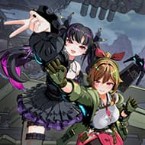
Each unit is a group of four human characters with its own music style and story. Leo/need plays band rock, MORE MORE JUMP! is an idol group, Vivid BAD SQUAD leans into street music, Wonderlands×Showtime runs a theater show, and Nightcord at 25:00 writes songs together in late-night voice calls.
Every unit has a SEKAI, a world born from their feelings, where the Virtual Singers appear in versions styled to match the group. Seeing Miku as a stage performer in one world and a quiet presence in another is part of the charm.
The unit stories tackle real topics such as friendship, ambition and self-doubt. Many players say they came for the songs and stayed for Nightcord at 25:00's darker storyline.
Note Types and Difficulty Levels
Notes fall down a wide lane split into sections. Taps are simple hits, holds need a finger kept on the screen, flicks are quick swipes, and trace notes require sliding along a path without lifting.
Difficulty runs from Easy to Master, with Append charts adding an extra challenge that uses more of the lane. Master charts are fast and dense, and full-comboing one is a badge of honor.
Players who come from Muse Dash find the jump to a wide lane with many fingers tough at first, but the timing windows feel familiar.
Cards, Lives and Events
- Pull character cards with Crystals on gacha banners.
- Build teams of five cards to raise your Live score.
- Play event songs to climb rankings and earn rewards.
- Watch card stories for extra scenes with each character.
Cards affect score, not difficulty, so a strong team helps you rank higher in events without changing how hard the chart is to play. Many players focus on skill first and only later chase event rankings.
Events run on a regular cycle and usually bring a new song and a story chapter. That steady flow of content is why the game keeps a dedicated fanbase.
Area items and character ranks add smaller bonuses that grow over time. Players who log in regularly slowly build stronger teams even without pulling often.
Why Project Sekai Has Such a Loyal Fanbase
The song library is huge and keeps growing, mixing classic Vocaloid tracks with original songs written for the units. Fans of the Vocaloid scene find songs they love on almost every banner.
Multiplayer Lives let several players perform the same song together, which adds a social layer to a solo rhythm game. Virtual Lives, where the characters perform in a shared 3D space, give fans a concert feeling between charts.
The common complaint is the gacha pressure around limited cards, along with the time needed to rank highly in events. Casual players often ignore rankings and simply enjoy new songs.
Project Sekai gives every Vocaloid fan a stage to tap along to. Pick a favorite unit, from Leo/need to Nightcord at 25:00, learn the flicks on a Master chart, and Miku will be waiting in the next SEKAI.